FEATURED REPORT
Showing application vulnerabilities in Kubernetes-native tooling
Building on the new Kubernetes features in Snyk Container, we’ve been experimenting with integrating vulnerability data more closely into the Kubernetes ecosystem.
4276 articles
4276 ARTICLES
Building on the new Kubernetes features in Snyk Container, we’ve been experimenting with integrating vulnerability data more closely into the Kubernetes ecosystem.
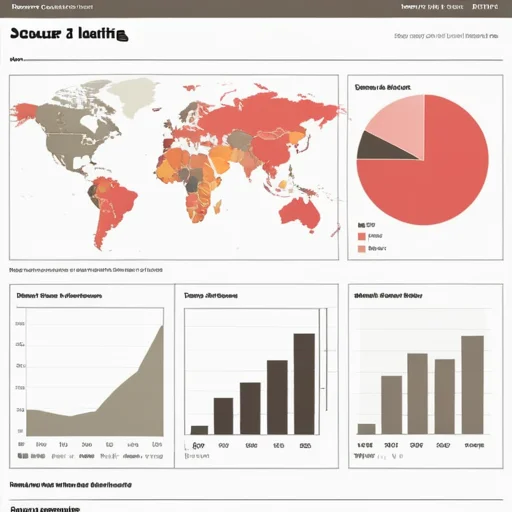
Similar to our report on Docker image security, we wanted to take a look at the state of vulnerabilities in the public Helm Charts repository.
James Kaplan is a partner at McKinsey & Company and co-leader of its cybersecurity practice. He’s been with the company for 20 years and is one of the lead partners in what they call “McKinsey Technology.” His specific expertise as a leader in the company’s IT infrastructure and cybersecurity service lines informed the topics discussed during a recent episode with the Secure Developer podcast.
Kind is a Docker-based tool for running local Kubernetes clusters that conform to the Kubernetes API. It fit Snyk’s needs perfectly, as it combines the advantages of having a clean environment for every test, with the advantage of a very fast setup.

We wrote previously about implementing container security throughout the SDLC, and discussed the trade offs of testing locally, in your CI/CD pipeline, against your registry, and in your Kubernetes cluster. With the new Kubernetes integration in Snyk Container, we’re aiming to make that last part easier to do, and also to bring security information closer to developers so they can more quickly fix vulnerabilities and enable Kubernetes security.
Snyk is excited to announce that today we are launching Snyk Container, a new product that helps developers easily find and fix vulnerabilities in their container applications.
This is the final part of a four part series about building your Kubernetes AppSec strategy.
We are excited to announce the release of a new way to take action on the deep insights Snyk offers regarding security and project health — auto upgrades.

In one of our previous posts we discussed how packaging of applications is shifting to developers as organizations embrace containers. But it’s not just packaging that’s moving from systems administration to development — it’s configuration management as well.

Welcome to Snyk’s State of JavaScript frameworks security report 2019. In this section, we review the impact that security vulnerabilities can have by looking at the severity, CVSS scores and more over the years for both Angular and React.